
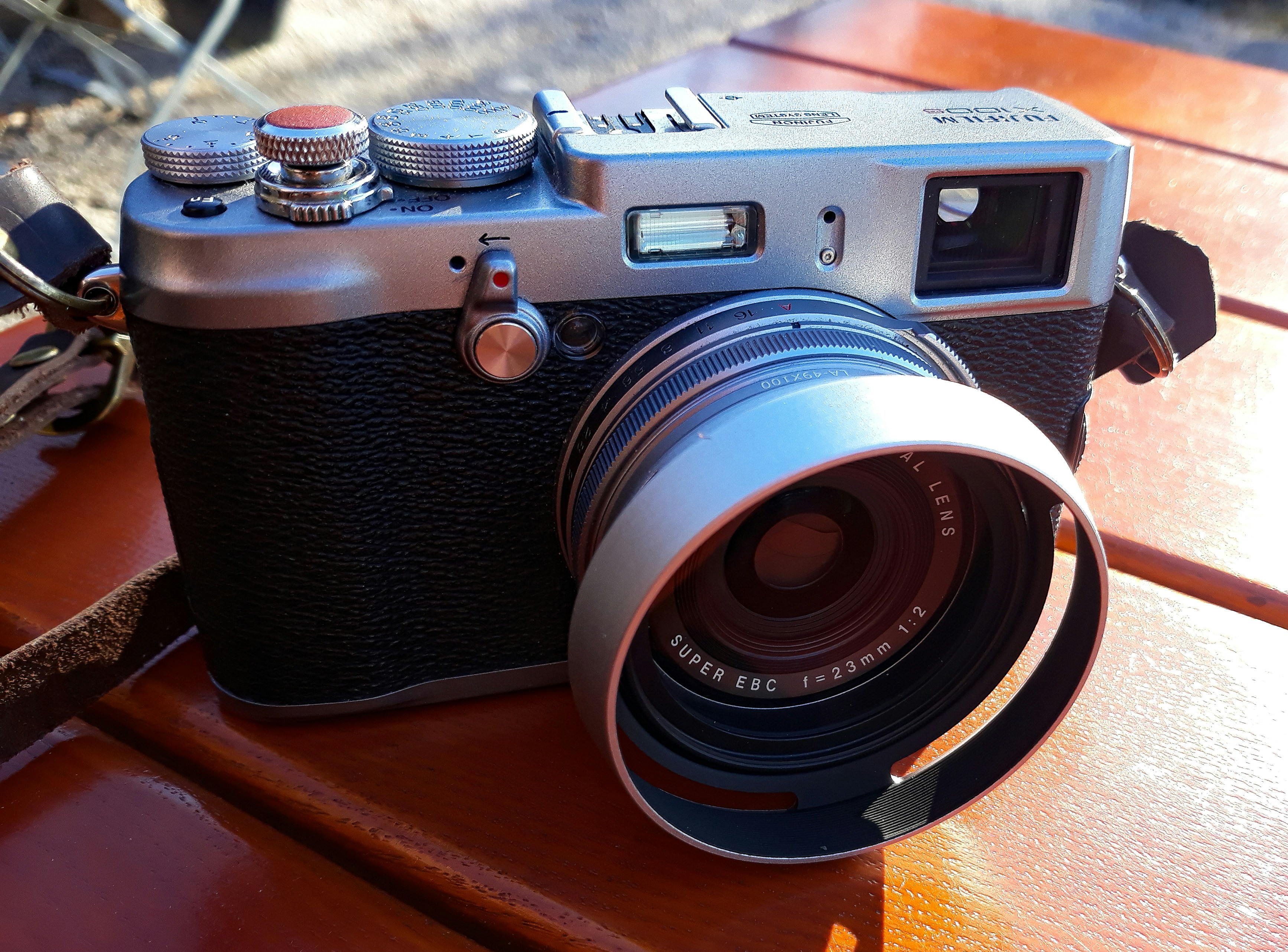
What Kindof FilmPhotographerAre You?
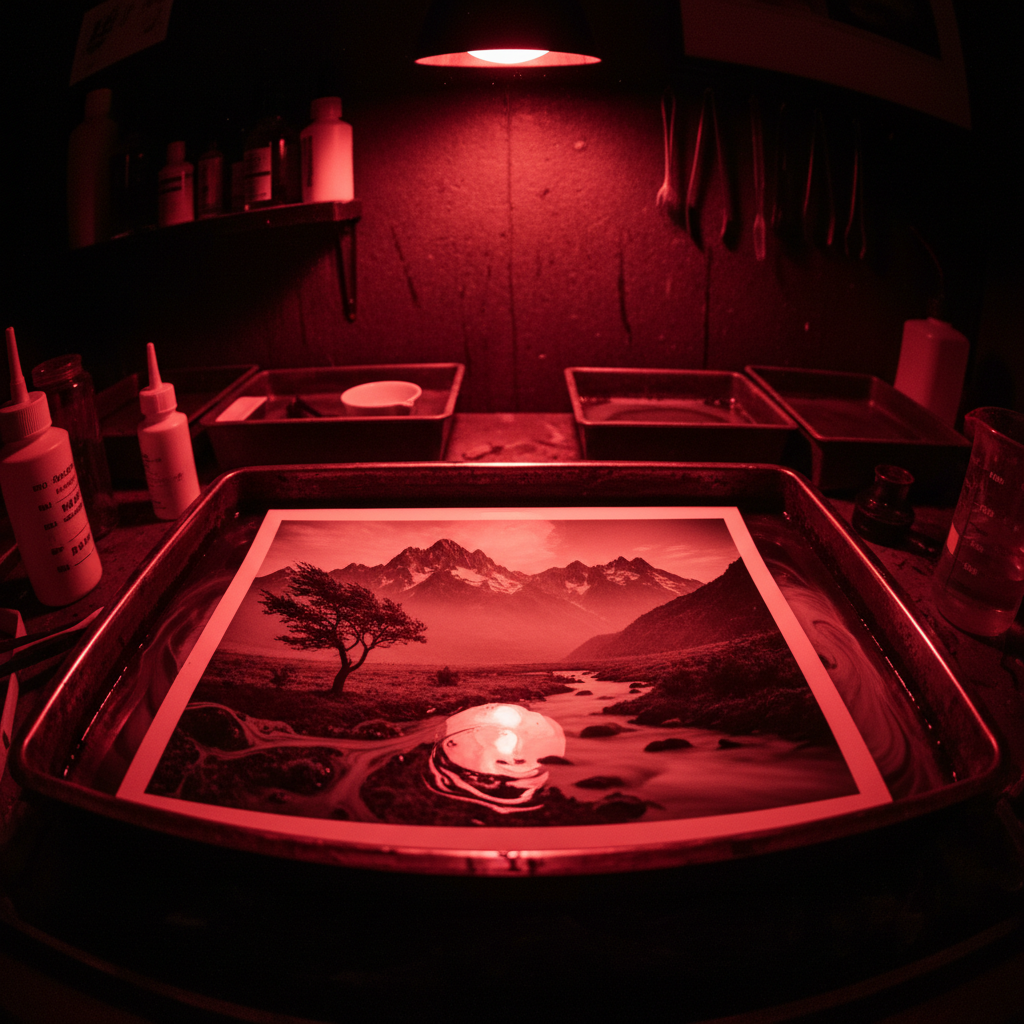
Why We Still Shoot Film
Because every frame costs something. Because the act of loading a roll in the dark, feeling the sprockets engage, choosing your light before you raise the camera — that friction is not a bug, it is the entire practice. Film forces presence. It refuses to be undone. When you open the tank and see your negatives for the first time, the image is already fixed in silver, already permanent, already yours. No algorithm suggested that composition. No burst mode averaged away your hesitation. The photograph is evidence of a single committed instant, and that is worth every minute in the darkroom.
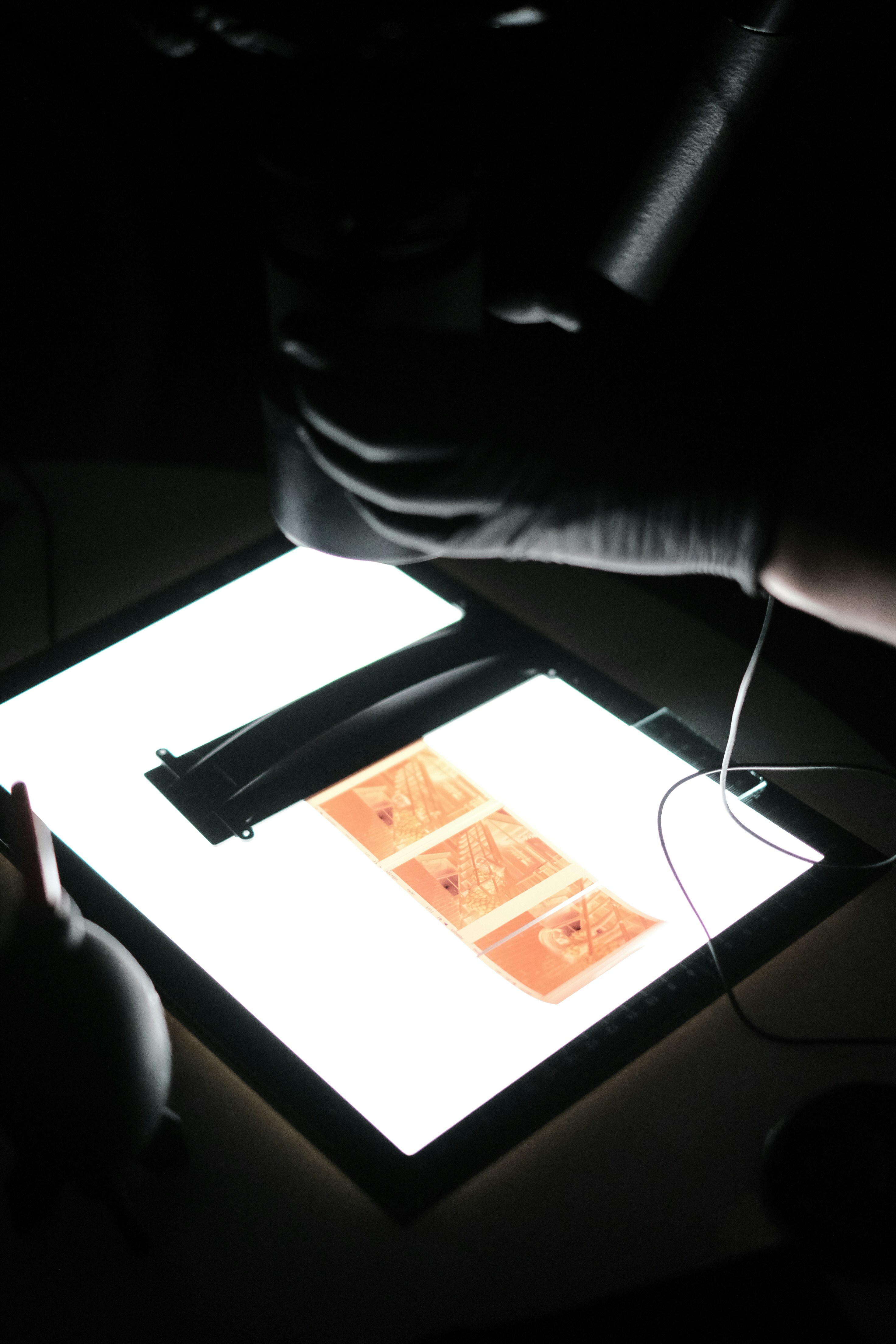
What This Community Believes
We believe that a roll of Tri-X pushed to 3200 in Rodinal is a philosophical statement. That the choice between Portra 400 and Ektar 100 reveals something true about how you see. That the darkroom is not a room but a mindset — patient, chemical, irreversible. We are not here to debate film versus digital. We are here because we have already decided. Grain is for the person who still reads the data sheet before loading a new stock, who keeps a notebook of developer times, who understands that an overexposed highlight is not a mistake but a mood. You already know why you are here. We just built the room.
Scans, Stories
& Darkroom Notes
Every card here is a frame from someone's roll — shot on silver, printed in the dark, shared in good faith.
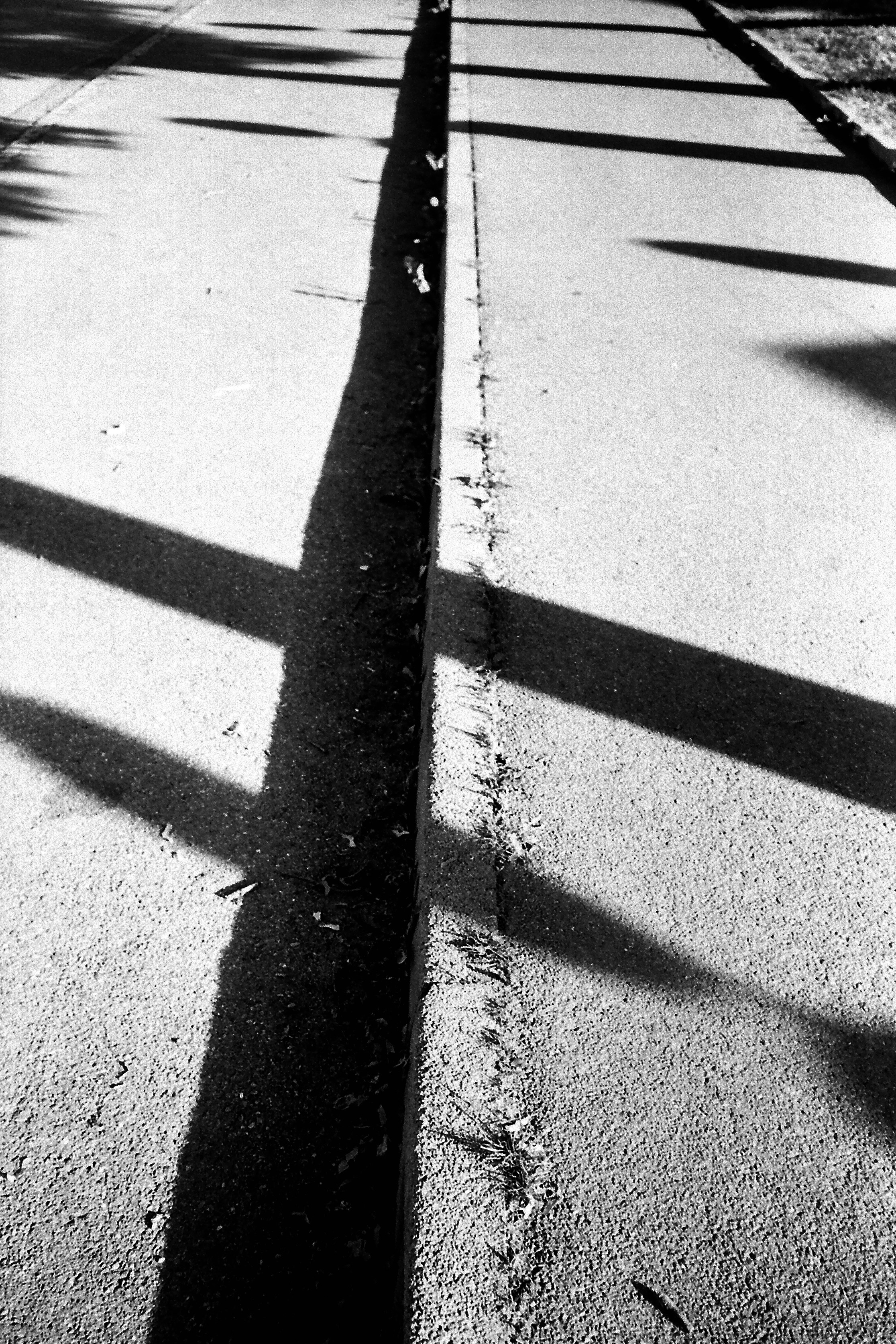
Tri-X in Tokyo Rain
Pushed to 3200 · Nikon FM2 · Rodinal 1+50
The Myth of the Perfect Negative
Why Zone System devotees get better results from intentional overexposure and how Ansel Adams really developed his prints.
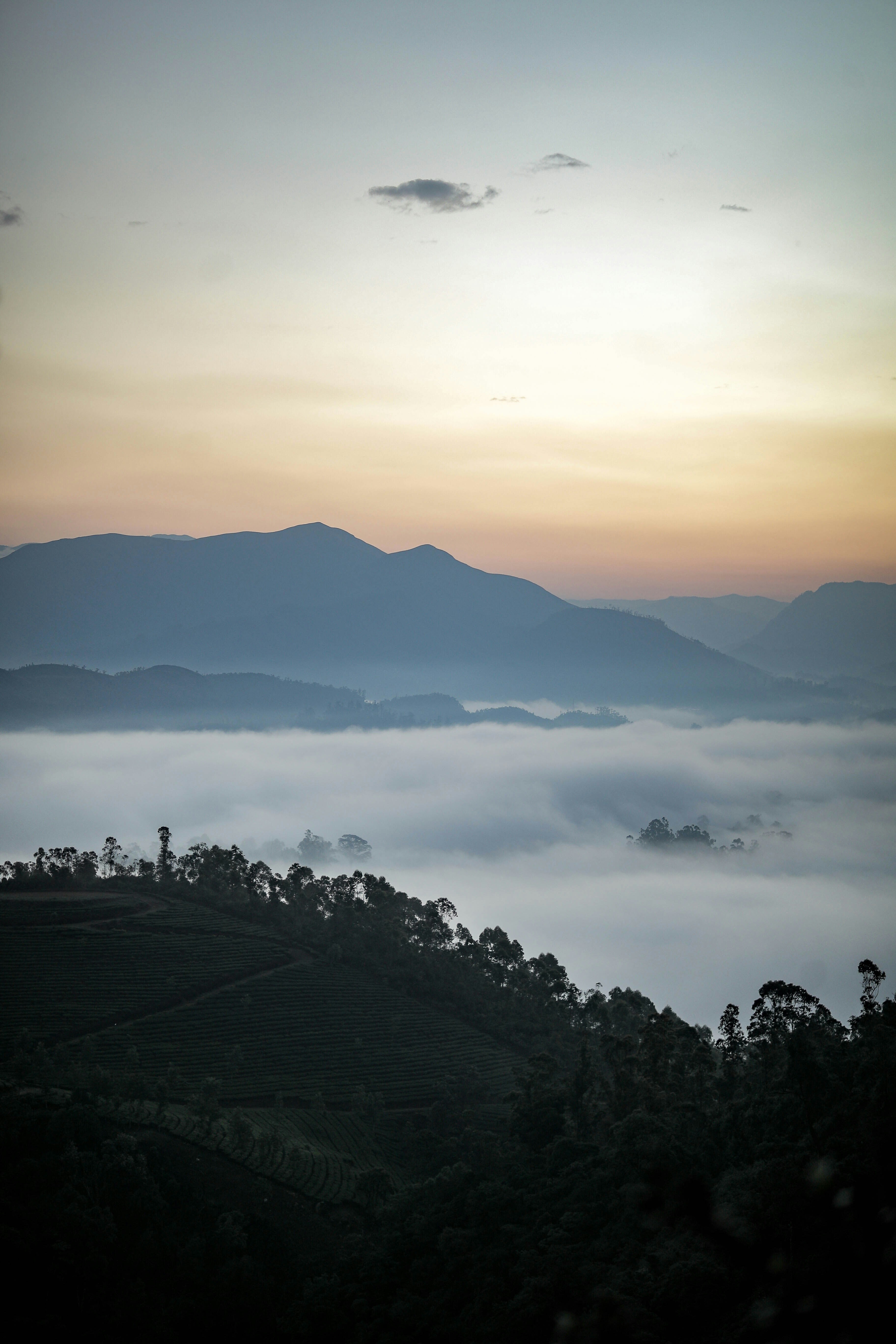
Portra 400 at Box Speed
Hasselblad 500CM · Kodak Portra 400
“Loading my first roll of HP5 in the changing bag at 2am felt more like a ritual than a hobby. I haven't gone back.”
— Maren Schultz, Berlin
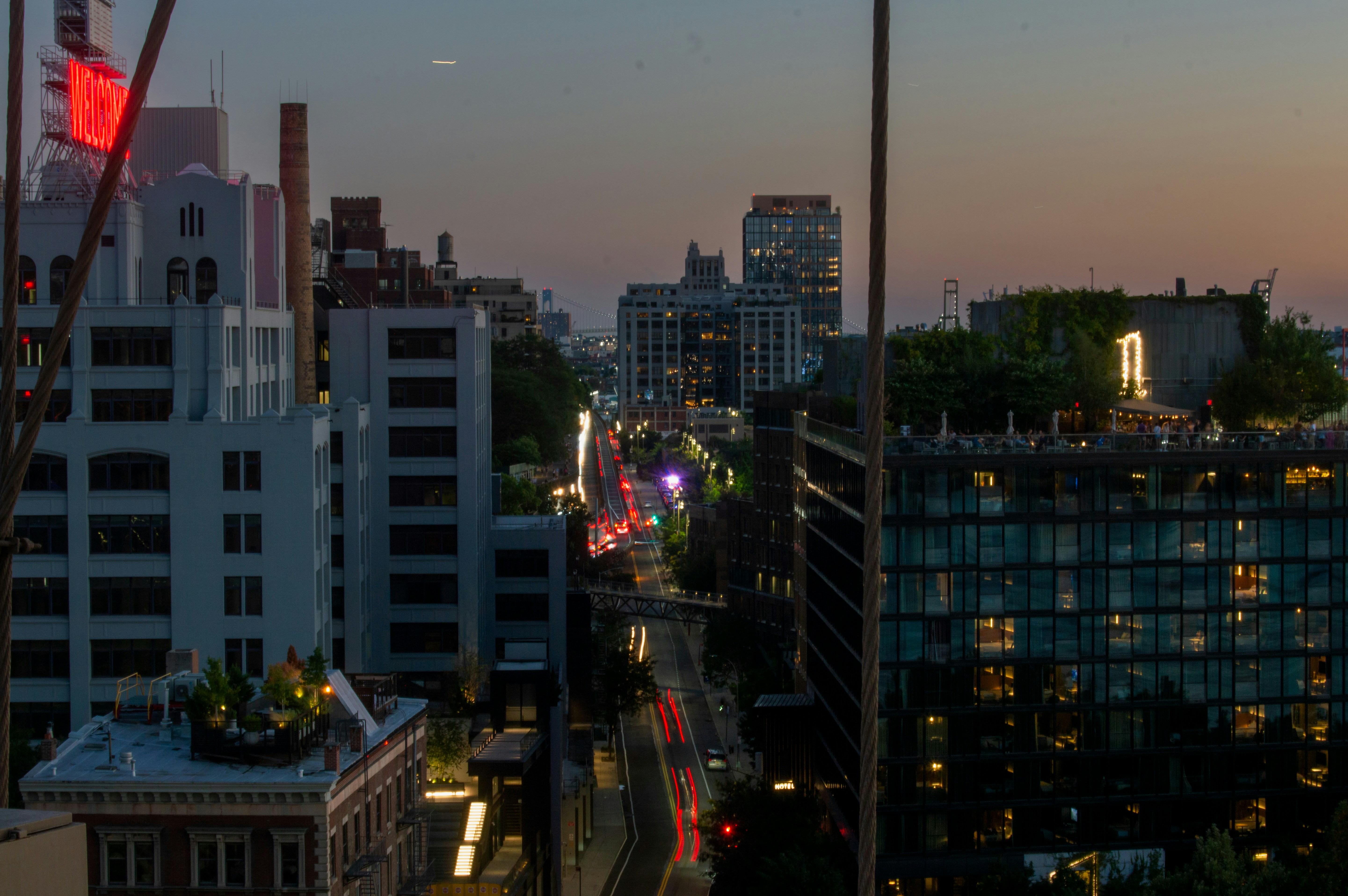
Shooting Cinestill 800T Under Neon
Halation is not a flaw. A guide to embracing the tungsten-balanced magic of Cinestill in low-light urban environments.
Stop Bath Temperature Control
Your stop bath works best at 20°C. A few degrees off and you're neutralising developer unevenly. Here's the two-minute fix.
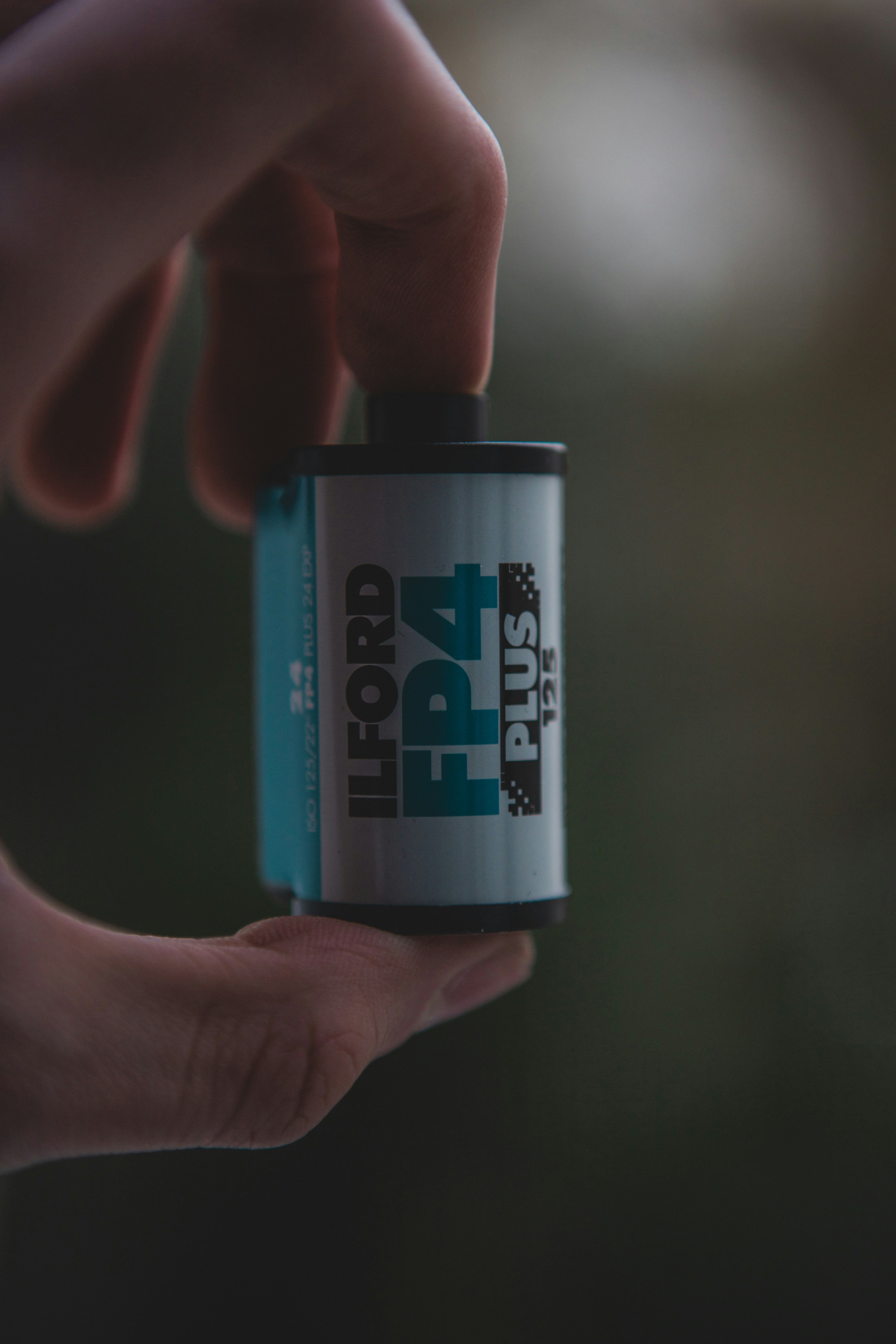
FP4 Window Light Portrait
Mamiya RB67 · Ilford FP4+ · D-76 1+1
Home Development: Your First C-41 Roll
Temperature is everything. A practical walkthrough for developing colour film at home without a jobo.
Velvia 50 at Sunrise
Toyo 4×5 · Fuji Velvia 50
“The Mamiya RB67 is heavy enough to count as exercise. Every frame is a commitment. That's why I love it.”
— Takeshi Mori, Kyoto
Pulling Slide Film: A Risk Worth Taking
Pull Velvia 50 by one stop and watch the shadows open up without losing that saturated bite in the highlights.
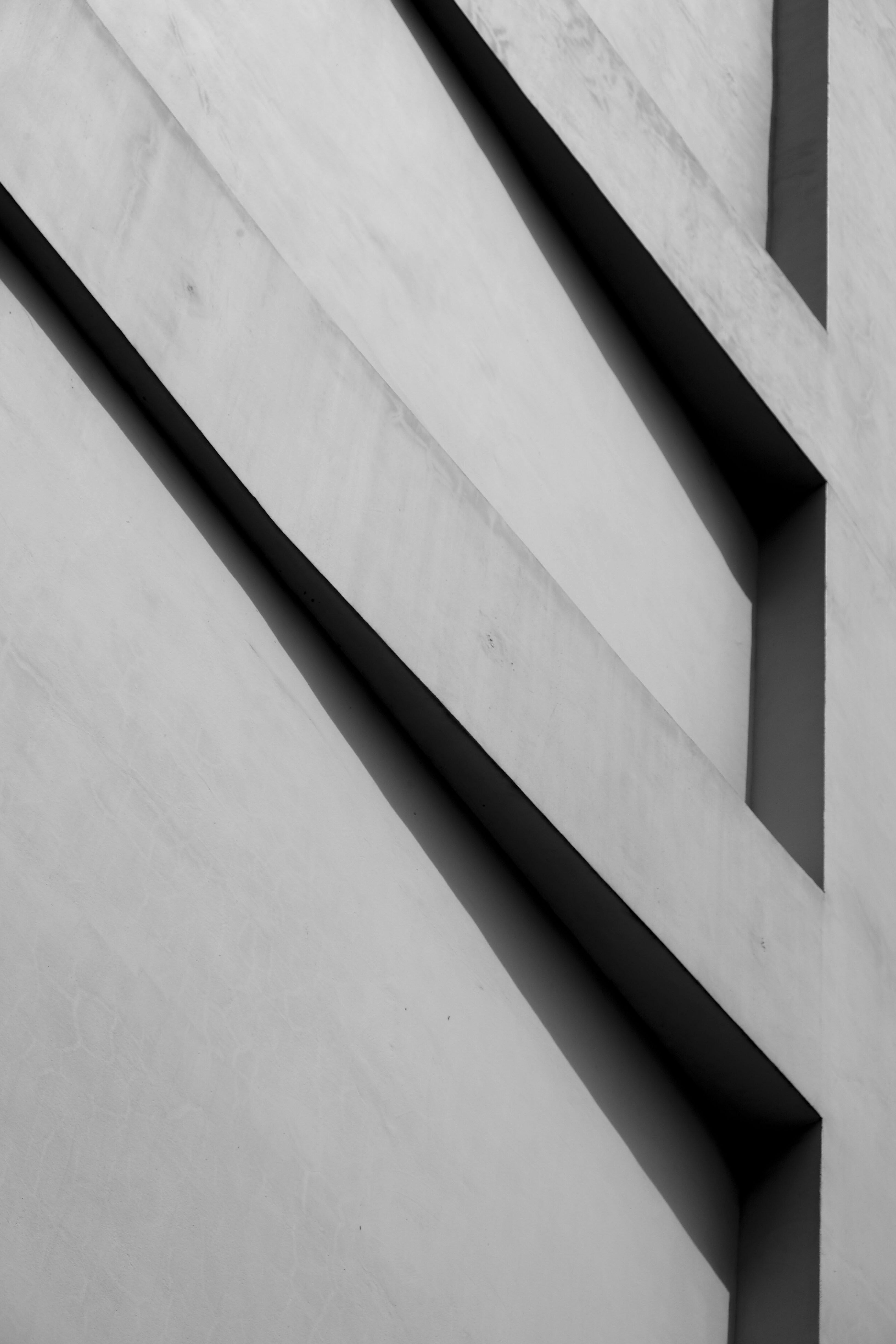
HP5 Architecture Study
Leica M6 · Ilford HP5+ · Ilfosol 3
Discover Your
Film Identity
Five questions. Four archetypes. One starter kit — film stock, first article, and a chapter to call home.
Open the Journal
Answer five questions about how you shoot, what you develop, and what you want. We’ll map you to your archetype.
No account required. Just five questions and an honest answer.